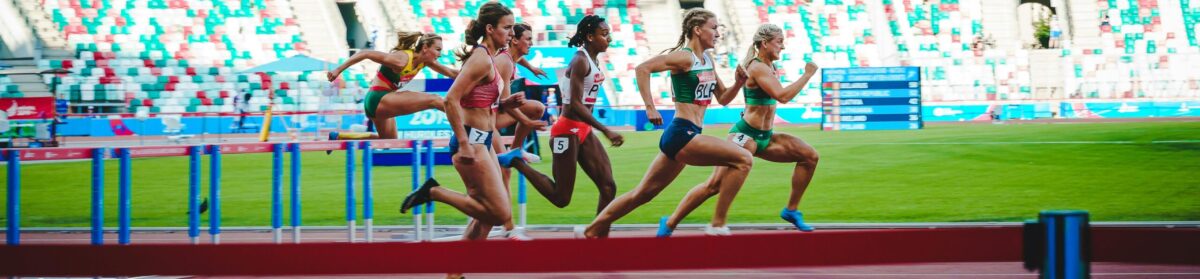
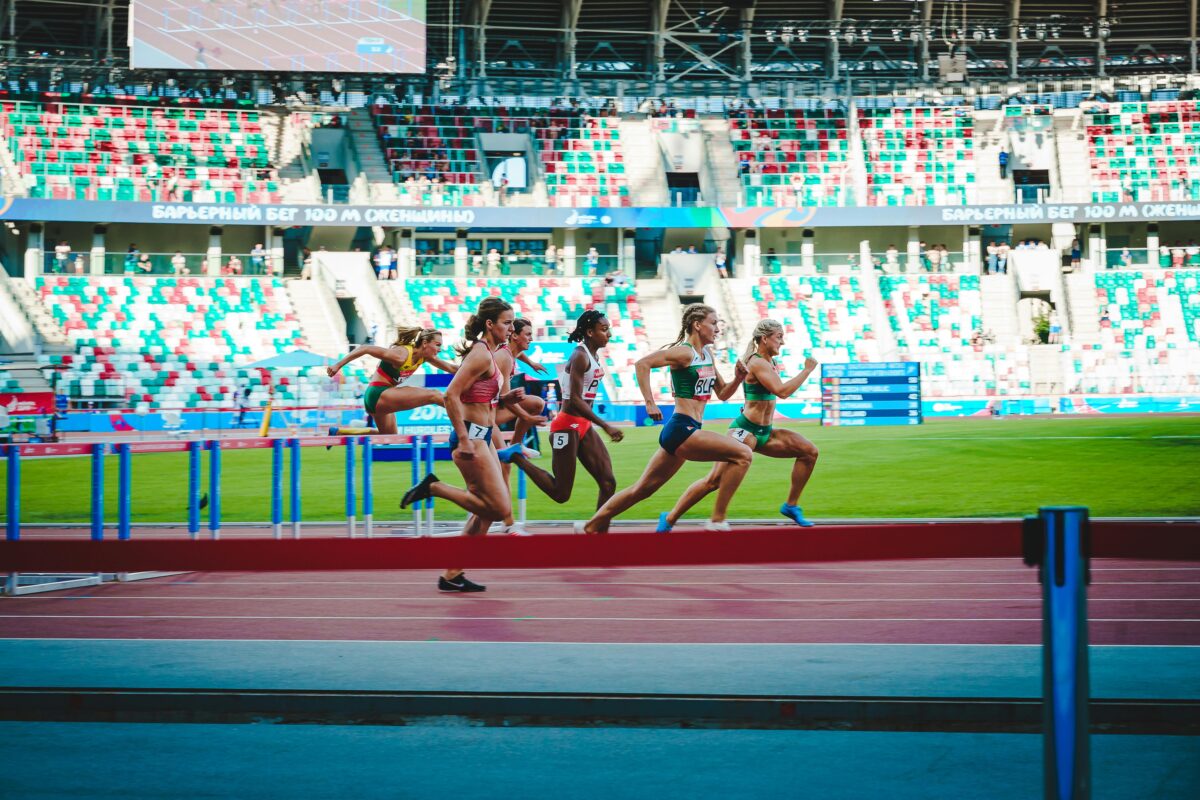
2025 for me was the year I started the Parkrun. I enjoyed the spirit of the community, and I enjoyed trying to improve my fitness and get a better time. Soon I was going on runs during the week and listening to podcasts. It became a part of my regular lifestyle. All this led to an interest in the running profession. What workouts were good? Who was an exemplar of 5k? Why do people put themselves through this?
In amongst the YouTube tutorials and vlogs were classic races from the Olympics and World Championships, and I was soon fascinated by the enthusiasm the runners showed, as well as the races themselves. Athletes like Femke Bol surging late in a 400m relay, the strategy of mid-distance races where athletes from Kenya and Ethiopia sized each other up and tried to control the race tempo.
This inspired me to start writing down attributes for race conditions and how an athlete could adapt, such as running in hot weather. The more I watched the more I added to it. The first Steeplechase I saw was absolutely crazy. Athletes accidentally clipping each other, and falling at the water jump in their efforts to make the podium.
I wanted to provide an experience for the whole of a tournament such as the World Championships, and so it had to be a management simulator, but one that allowed you to participate in the races. I completed the first full draft in January of 2026. However, after play-testing it, I realised that rolling for the non-player athletes was too time-consuming. And so I created seeding-tables, where a player’s dice roll result gives the non-player athletes their distances for that phase; this is intended to be ‘random’ or at least different from the athletes around them. Coming up with this stream-lined version also led me to the decision to use 3d6 (it was previously 2d6) as this gave me the variety needed.
Field events were also fascinating to learn more about. Initially I had action phases just as I did for the track events, but this felt too slow in the case of a jump or a throw, which was over in a matter of seconds. And so a single 3d6 dice roll became a throw. In the case of long and triple jumps, the chances of fouling seemed very likely, but the faster the athlete ran and the closer to the line they were the greater the advantage, so this felt like a perfect opportunity to use the push-your-luck mechanism. Because of that, I had the athlete’s bonus provide more dice so that the players could really test their luck if they wanted to in order to get the best jump possible.
Finally, here it is. After many months of consuming, creating, refining: a system for an international athletics tournament. I’m really looking forward to playing my first game of it later this month!